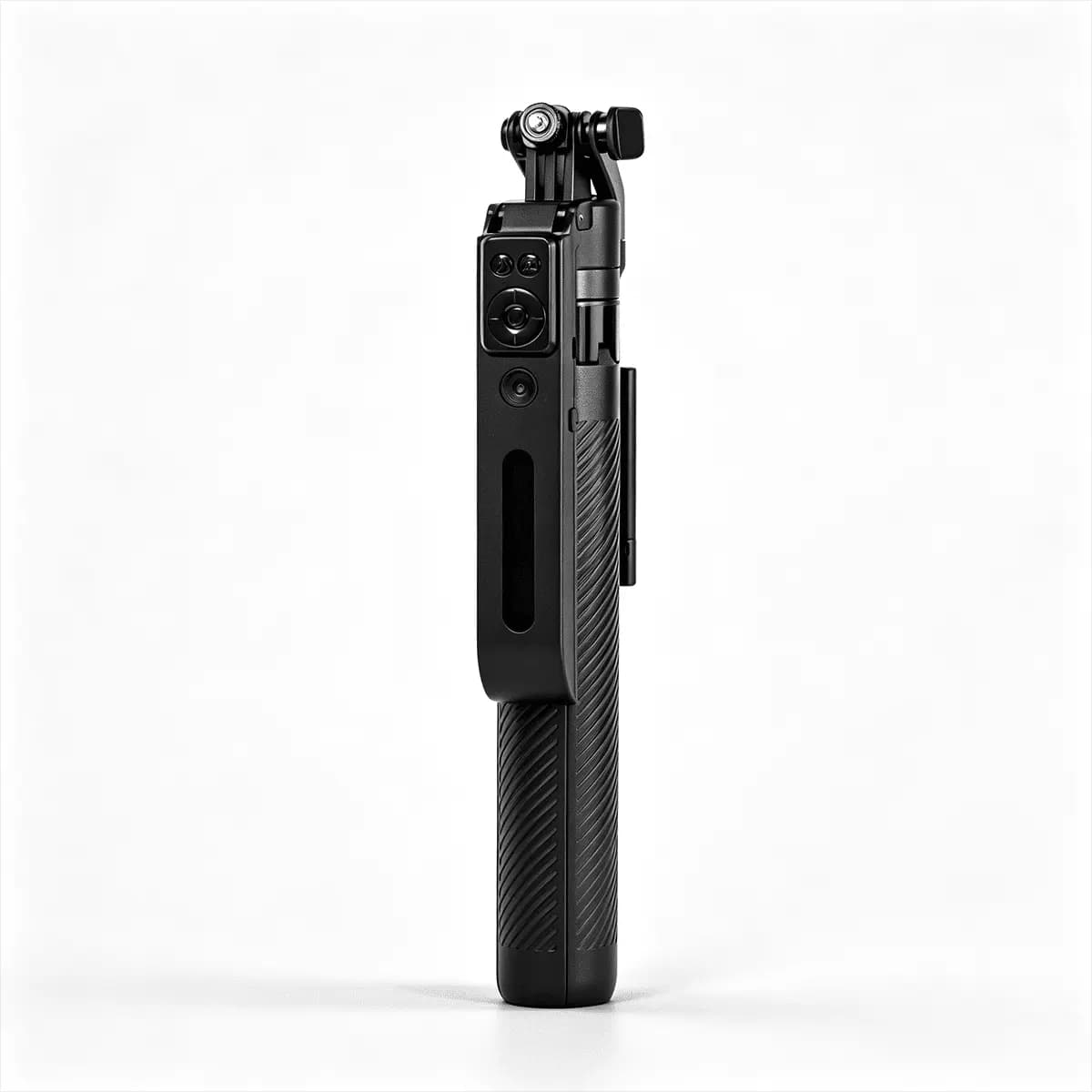
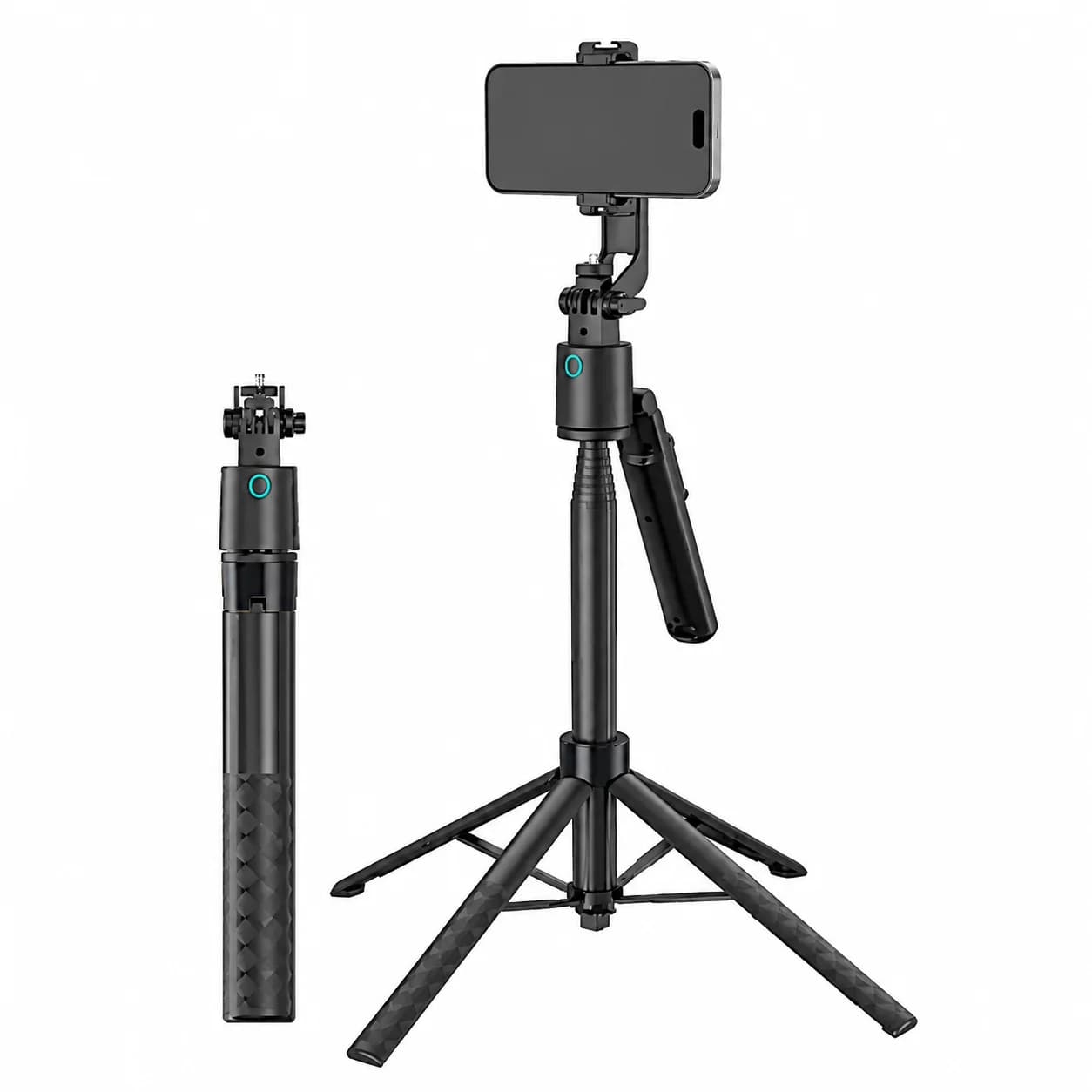
AI Tracking

AI Tracking Tripod Manufacturer for Wholesale and OEM/ODM Projects

Develop AI tracking tripods for distributor catalogues and private-label launches. TOOREA offers five current models and supports product structure design, appearance design, mold development, tracking-function customization and packaging.

Confirmed across all 8 current product series

Minimum order
500 units
Sample lead time
3–5 days
Mass production
30–45 days
Quotation response
Within 48 hours

AI Tracking sourcing scope

AI tracking series sourcing checkpoints

A sourcing view for smart selfie tripod buyers comparing tracking behavior, creator use cases, OEM configuration, and sample testing.

Tracking

Auto face-tracking support

Supports face-tracking for livestreaming, online teaching, video calls, and solo mobile shooting.

Keeps the camera aligned while the user moves.

Creator use

Hands-free creator shooting

Built for creators, live sellers, and short-video users who need hands-free shooting.

Fits content workflows where one person needs to film and present.

OEM

Sensor and package planning

Tracking module, exterior finish, logo, packaging, and accessory set can be reviewed by project scope.

Connects smart-function requirements with private-label planning.

Sample

Tracking test before order

Sample review should focus on tracking stability, rotation behavior, and phone-holder compatibility.

Confirms the smart feature before moving into order planning.

015 current models
02Structure and appearance design
03Mold development
04OEM/ODM customization
Current product range

Compare 5 current AI tracking models

Compare the current product formats and specifications before discussing customization. Final configuration and technical scope depend on the selected model and project requirements.

Q13 AI Tracking Selfie Stick Tripod main white background product image
Model Q13OEM/ODM

Q13 AI Tracking Selfie Stick Tripod

Q13 AI tracking selfie stick tripod with long extension for livestreaming, solo content creation, and OEM/ODM sourcing.

Material
ABS + Electronic Components
Extended Size
46.5*82*1800mm
Folded Size
46.5*82*350mm
Net Weight
220g
Gross Weight
290g
Phone Support
Phone thickness up to 12mm
Battery / Power
3.7V, built-in 18650 battery
Connection
No app required, power on and use
Supported System
All smartphones
Use
Long-reach shooting
Color Options
Black
Catalog Series
AI / Aluminum alloy
Additional Classification
Aluminum alloy
Q14 AI Tracking Stand with Ambient Light main white background product image
Model Q14OEM/ODM

Q14 AI Tracking Stand with Ambient Light

Q14 AI tracking stand with ambient light for creator kits, livestreaming setups, and private-label wholesale programs.

Material
ABS + Electronic Components
Product Size
82*82*180mm
Net Weight
220g
Gross Weight
290g
Phone Support
Phone thickness up to 12mm
Battery / Power
3.7V, built-in 18650 battery
Connection
No app required, power on and use
Supported System
All smartphones
Feature
Ambient light
Color Options
Black
Catalog Series
AI / Aluminum alloy
Additional Classification
Aluminum alloy
Buyer paths

Built for three types of AI tracking project

Choose the commercial route that matches how much product differentiation your channel needs. OEM/ODM describes the delivery model; the buyer can be a distributor, importer or e-commerce brand.

Regional channel

Distributor and importer product lines

Compare several formats for a regional catalogue, then confirm the packaging, product configuration and target-market requirements for the selected models.

Private label

E-commerce and private-label launches

Start from an existing model and define your branding, packaging, accessories and product modifications around a clear sales channel and price position.

Product development

OEM modification and ODM development

Use a current product as the technical starting point, or discuss a new structure, appearance or mold when the project needs stronger differentiation.

R&D and customization

From an existing model to a new structure

Start with one of five current models, modify a product for your market, or review a new development project. TOOREA supports product structure design, appearance design and mold development.

Each scope is confirmed during technical review before sampling. This keeps product claims, development responsibilities and testing requirements aligned with the final configuration.

Explore OEM/ODM Capabilities

Not sure which route fits the project? Read the AI tracking OEM/ODM development guide.

Scope 01

Logo, colour and packaging

Scope 02

Product structure and appearance

Scope 03

Phone holder and bracket configuration

Scope 04

Lighting and accessory combinations

Scope 05

Tracking-function requirements

Scope 06

Firmware or app requirements

Scope 07

New product and mold development

Development path

How an AI tracking project moves forward

A staged review keeps the market requirement, product configuration and quality plan connected before production.

  1. 01

    Define the market and use case

    Share the target country, sales channel, user scenario, preferred product format and commercial position.

  2. 02

    Select a baseline model

    Compare C12, Q1, Q13, Q14 and Q16, or explain why an existing format does not meet the requirement.

  3. 03

    Confirm the development scope

    Review branding, appearance, structure, tracking functions, accessories, firmware or app requirements and packaging.

  4. 04

    Review a prototype or sample

    Confirm the agreed physical configuration and user experience before moving to the next project stage.

  5. 05

    Test the agreed configuration

    Define the functional, structural, compatibility, power, charging and packaging checks required for the selected configuration.

  6. 06

    Prepare production and packaging

    Confirm the approved sample, packaging files, quality checkpoints and order requirements before production.

Testing scope

Define the evidence required for the project

Testing requirements are matched to the selected model, final configuration and destination market. Current product specifications remain available on each product page.

A project review can define functional, structural, phone compatibility, power, charging and packaging checks. If a target market requires specific third-party certification or test documentation, share the standard early so the required route can be assessed before production planning.

For a real model-specific example, review the Q13 physical sample test. It records 33 checks, 99 individual results and the evidence limits that remain before production approval.

Before quotation

Prepare a useful brief

  • Target country and sales channel
  • Preferred model or product format
  • Expected quantity range
  • Customization and launch goals
  • Required testing standards, if known
Send Your AI Tracking Brief
Buyer FAQ

AI tracking tripod sourcing questions

Direct answers for distributors, private-label brands and product development teams.

How many AI tracking tripod models does TOOREA currently offer?

TOOREA currently offers five AI tracking models: C12, Q1, Q13, Q14 and Q16. They cover compact desktop formats, integrated portable formats and extended selfie stick tripod formats. Current specifications are shown on each product page.

Can I add my brand and custom packaging to an existing model?

Yes. Private-label projects can cover logo, colour, packaging, accessories and other agreed product details. Share your sales channel, target market and packaging requirements so the appropriate model and customization scope can be reviewed before sampling.

What is the difference between private label, OEM modification and ODM development?

Private label normally starts with an existing product and brand presentation. OEM modification changes agreed product details or functions. ODM development can involve a more substantial new appearance, structure or mold. The right route depends on differentiation, budget, timing and technical risk.

Does TOOREA support product structure and appearance design?

Yes. TOOREA supports product structure design and appearance design for approved projects. The work can begin from one of the five current models or from a new product requirement. The development scope and ownership of each deliverable are confirmed before sampling.

Can TOOREA develop a new mold for an AI tracking product?

Yes. Mold development can be reviewed when an existing model cannot deliver the required structure or market differentiation. Mold scope, feasibility, tooling requirements, validation steps, cost and schedule are confirmed after the product brief and technical review.

Can tracking functions, firmware or app requirements be customized?

These requirements can be discussed as part of an OEM or ODM project. Feasibility and implementation responsibility depend on the selected product, requested function and technical architecture. They are confirmed during technical review and should not be assumed to be standard on every model.

How are testing and target-market requirements handled?

Testing requirements are defined for the selected model, final configuration and target market. If a project needs specific third-party certification or test documentation, share the target standard early so the required scope and document path can be assessed before production planning.

What information should I send for a quotation or project review?

Send your target country, sales channel, preferred model or product format, expected quantity range, customization goals, target launch timing and any required testing standards. This helps determine whether private label, OEM modification or ODM development is the best starting route.

Last updated: 10 August 2026 · Specifications are maintained on the linked product pages.

Need a broader manufacturing overview? Review the quality control process.

Build an AI tracking product line for your market

Share your target country, sales channel, preferred product format, expected quantity range and customization goals. TOOREA will help identify the right starting model and project route.